

Digital Utilitarianism
An argument for a moral obligation to rethink our relationship with technology

Lately, everyone seems to be tired of their phone and constantly doomscrolling, yet these shifts in attitudes are not often seen in practice. I believe that we have an ethical obligation to ourselves and others to completely restructure our relationship with technology, especially social media. In this article, I will unfold my argument, which stands on a foundation of the philosophical ethical theory of utilitarianism.
What is utilitarianism?
Utilitarianism is the ethical framework originally created by Jeremy Bentham, and popularized by John Stuart Mill which states that we are morally required to do whatever produces the greatest amount of pleasure minus pain.
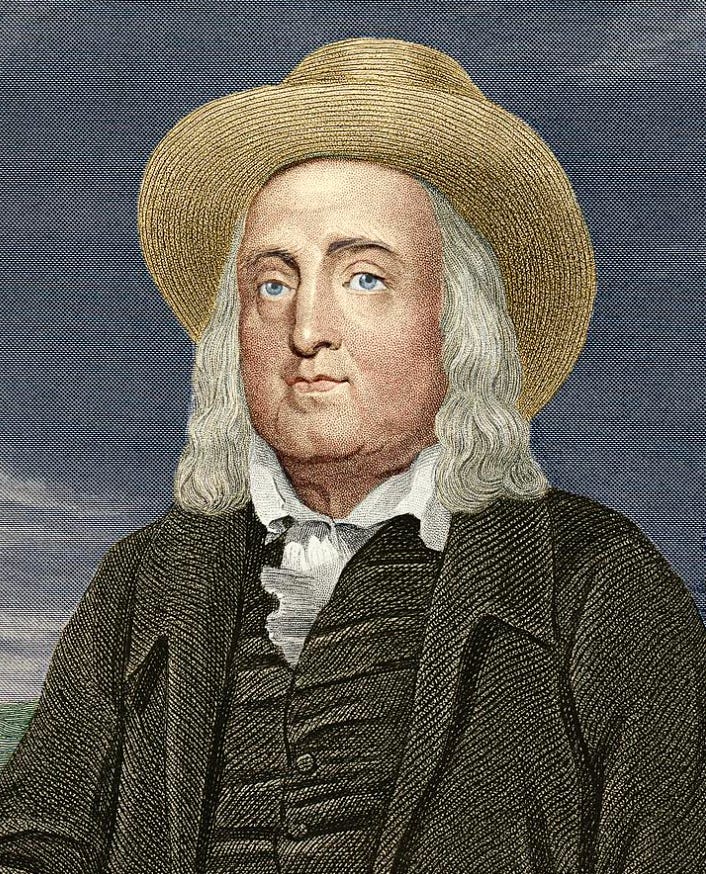
In order to fully explain the application of this notion to my argument a few key foundations of the argument have to be explained.
What is good for the individual? Hedonism
Essentially, hedonism is centering and pursuing what feels good. To remedy the negative connotation of the word, I like to think of the evaluation of hedonic outcomes on a more long-term, collective basis. For example, doing a bunch of drugs might feel good, but it may reduce your net pleasure by causing health issues down the line, and may lead you to damage collective wellbeing by causing you to partake in antisocial behaviors.
To show how one arrives at hedonism let me outline this simple sub-concept:
As a means: Good for getting something else, but not necessarily inherently good (for example, money)
As an end: Good in itself (love, pleasure, happiness, a sense of purpose)
To illustrate this further imagine Johnny. Johnny goes to school, this is a means for getting a job, a job provides money, money is a means to obtain objects and experiences…etc. As you continue down this line you will eventually land the conclusion that all of Johnny’s efforts are part of the “means” he believes will achieve the best possible “end” which can be the love, pleasure, happiness, a sense of purpose etc. that can be placed under “pleasure” as an umbrella term. Hedonic outcomes are good “as an end”, or “in themselves”, therefore they should be at the center of our pursuits.
What makes an outcome good? Aggregation
Aggregation is the sum of outcomes. For instance, if two friends are hanging out and one friend as a -4 amount of fun and the other a +6 amount of fun the aggregate outcome is a +2 amount of fun.
What should we do? Consequentialism
Consequentialism is exactly what it sounds like. It’s the ethical theory that measures of a result of an action based on the consequences. Utilitarianism is a flavor of consequentialism.
Arguments against utilitarianism:
Imagine a scenario where there is one healthy person and 5 dying people. The healthy person just so happens to be an organ match and could save all five lives if he were to give up his life. Utilitarianism says every life is valued equally, cut him open! But that is an objective infringement on a basic human right.
Here where Rule-based Utilitarianism comes in. We must protect basic human rights because consent and freedom are important to be able to partake in the collective “pleasure”.
An example I like describes a scenario where lying would lead to a personal gain, but telling that lie would degrade integrity of the affected system, reducing trust, and leading to an ultimately undesirable collective outcome. Therefore we should follow the “don’t lie” rule.
Note on metaphysical foundations and definitions:
I am aware of the gaps I am leaving in the counterexamples and definitions of terms and ideas. I feel that I do not have the qualifications or space to justify each claim with laser precision, but please comment your thoughts. I mean this post to be a seed for discussion, rather than a perfect argument.
Peter Singer and Preference Utilitarianism
Preference utilitarianism posits that the pleasure and happiness that hedonism pursues are subjective and should be defined on an individual basis, as preferences rather than “objective pleasures”. Note that this can only exist functionally in harmony with rules and an emphasis on collective and long-term outcomes.

Peter Singer applies utilitarian theories to other social issues such as animal liberation, global poverty, and climate change (he’s cool like that.)
How does this obligate reform?
We are at a point where there is overwhelming evidence that social media is excessive, damaging, and predatory, so it is in pursuit of maximum net good that we must restructure the way we interact with the online world. Let me highlight some particularly unpleasant consequences.
Individual well-being
Spending time on social media has been associated with stress, depression, anxiety, poor body image and loneliness.
Reduced cognitive agency
Spending time on social media has shown to reduce attention, memory and learning outcomes. Reading and math scores in schools are rapidly declining, and I think we all know who to blame (COVID also plays a part).
Community
The degradation of community, Gen Z is drinking less and having less sex, and I don’t believe that this is due to health driven reasons, but rather to loneliness and isolation.
Surveillance and data privacy
Data collection can lead to hard to spot form of oppression and discrimination. Am example recently highlighted in the mainstream is Mark Zuckerberg unlawfully selling data to third parties.
Overconsumption
Overconsumption is largely driven by the trend cycle and aggressive marketing that saturates social media. Overconsumption leads to many other negative outcomes such as human rights issues, environmental justice issues and climate change.
Isolation and hate
Everyone is in their own algorithmically created niche and coddled with confirmation bias. This has played a part in polarizing America politically. Isolation is a strategy used by cults to brainwash its members, just saying.
Carbon emissions from AI
Data centers are responsible for 2.5-3.7% of global greenhouse emissions.
Dating culture
Dating apps have made dating and romance a complete nightmare.
Opportunity cost
Our time is valuable, and our emotions and attention are also very valuable. Imagine if you put even half of your doomscrolling time towards something like a project of passion.
The average American spends 7 hours on screens per day!!
If you spend 7 hours on your phone, you spend you spend about 2555 (about 106 full days!) hours on your phone per year. If that time was applied to a skill you could master it according to the 10,000 hour theory in a little under 4 years. There is so much of the world to experience, books to read, movies to watch, languages to learn, places to go, conversations to have, things to learn, and joy to have. We have to take back ownership of our time.
A joyful solution
So…. Now that we’ve come to the conclusion that something has to change, what and how do we change?
This is a good spot to discuss the etymology of the word utility, as it ties in nicely with the philosophical basis of the argument:
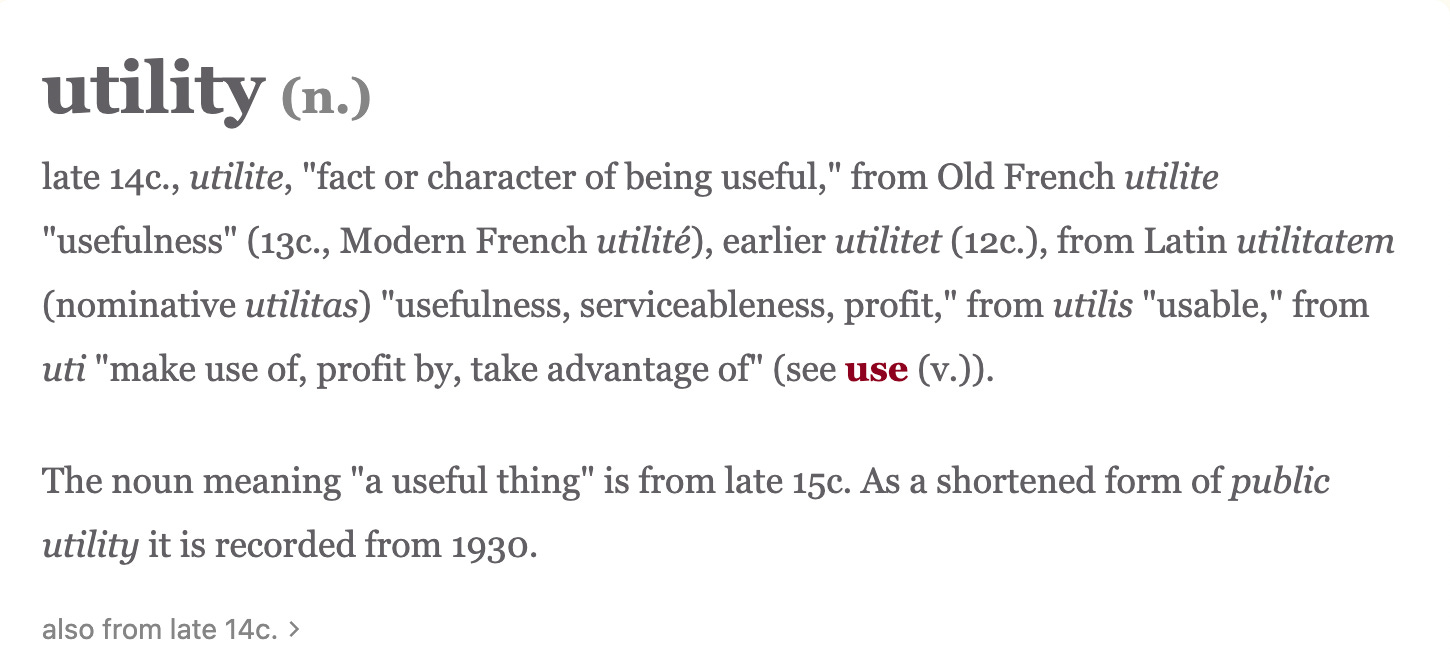
The utilitarian philosophy uses this definition to show that our actions must be a tool to reaching maximal pleasure, I would like to extend this to discuss the physical tools that are accessories to our actions, such as our phones. This is where we need to have a conversation about how to understand what is “tool use” of technology and what functions are unnecessary of even damaging and opt out as we see fit.
What about entertainment? A good movie or other media that you genuinely gain something from is a tool, it helps you develop and generate your own ideas, learn, or be inspired. The key aspect is an active consumption that allows you to be a co-creator. Passive consumption is like being a proxy for ad space.
What about beauty? I think this can be a means to experience pleasure; therefore, it is a tool for doing so.
A counterexample for those seeking to defend “brainrot,” might go something like this:
“ Brainrot is a tool for having fun.”
My response to this would circle back to the idea of defining hedonism as measured by more long-term outcomes, and the weight of the opportunity cost of spending one’s time this way. Does investing time in that really produce a long-term, meaningful good that outweighs interacting with the world actively?
That answer could be yes, granted by Peter Singer’s preference distinction.
Ways to distill utility:
Dumbphones. I am currently using a flip phone (the NOKIA 2780), and I have found so much peace and joy from making the switch. I have several YouTube videos about it on my channel and a full guide right here.
Another amazing flip phone on the market is the Dumb.co one, this is a classic flip phone with a smarter operating system (it has imessage, whatsapp and uber!)
App blocking tools (my favorite is ScreenZen), more like a bandaid than a permanent solution.
Physical removal
This seems hard to do in a more than temporary way without suffering from significant isolation and inconvenience. I have tried a “landline” method as well as the “clancker cage” (a box you put your devices in, especially at night).

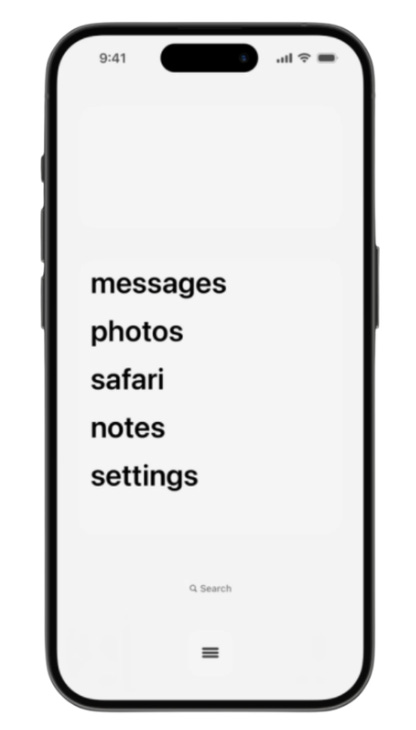
Alternative phones such as SLEKE., Light Phone, Mudita Kompakt
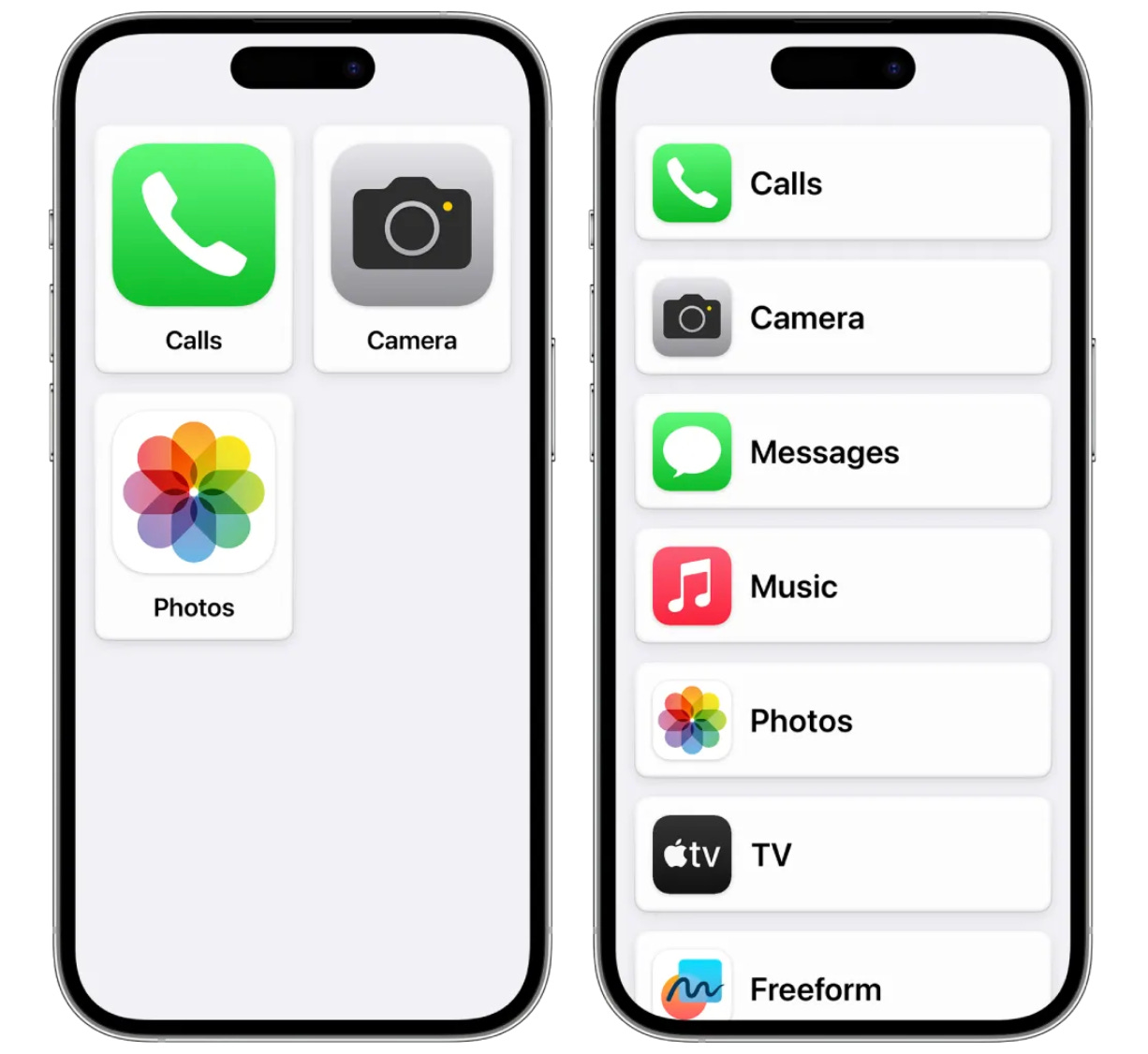
Assistive Access mode on the iphone: I have not tried this but here is someone that has.
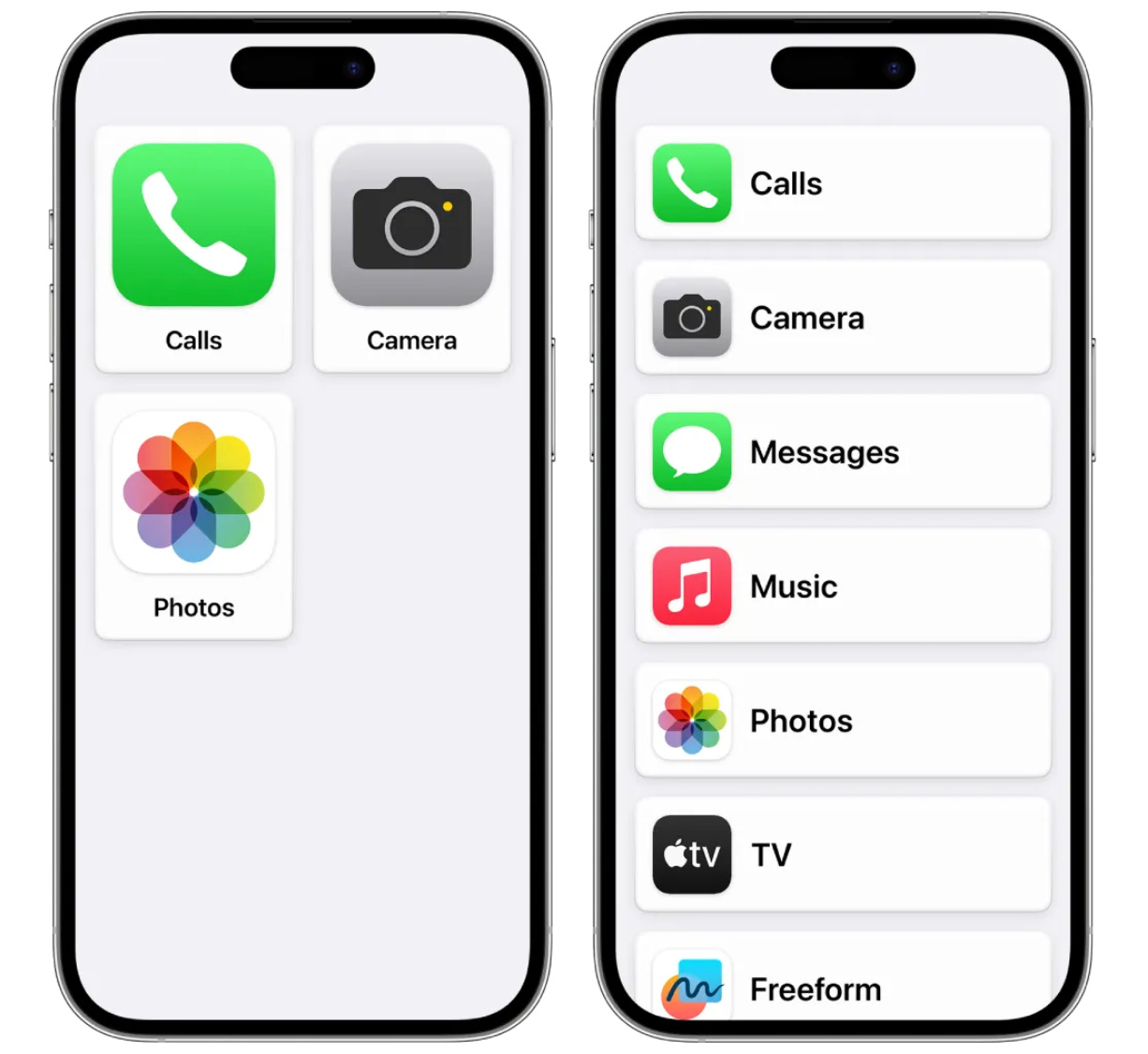
The Dumb phone app that transforms your iphone into a dumber phone
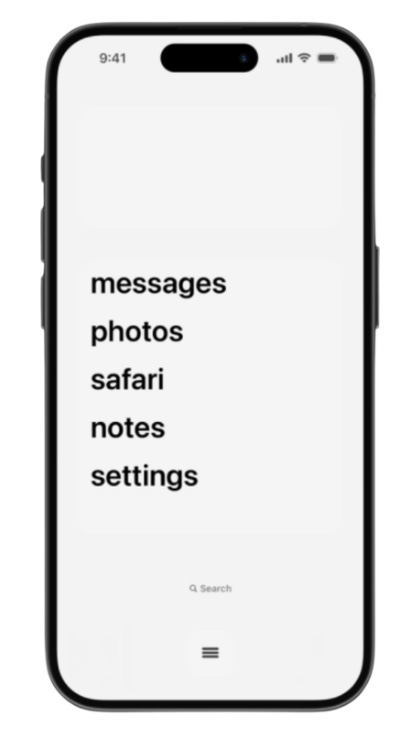
I want to note that extracting utility is a very difficult endeavor because of the mixed use of certain digital products. For example, someone might use Facebook for their marketplace feature but also to scroll Reels.


On FOMO and the idyllic potential:
Corporations fuel FOMO on purpose, for example Victoria’s Secret pink openly targeted young girls with a marketing strategy based on this anxiety. Ignoring the FOMO is a form of resistance.
But what if I crash out because I feel chopped about not being locked in on what a rizzler is?
Connecting over more common and media with a longer lifespan allows you to connect with a larger group of more diverse people and have deeper conversations. The fast moving cycle of online lingo and trends is engineered to generate FOMO because you have to be chronically online to be in the loop. Instead choose a loop in real life with real people because it’s a loop defined on interpersonal terms without the involvement of corporations, algorithms, and political agendas.
This is also where Kant comes in:
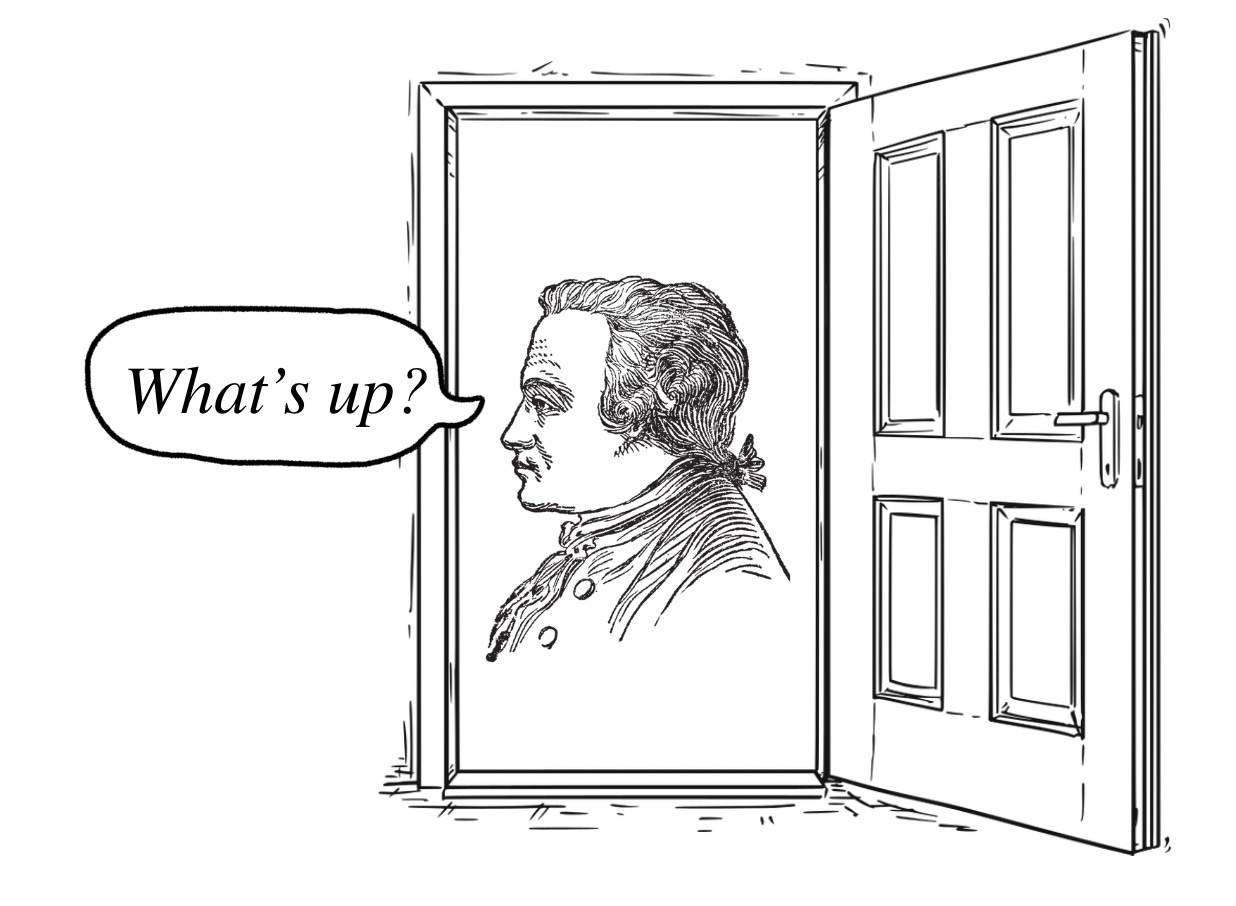
I want to very briefly touch of his idea of maxims. A maxim is basically taking an action and applying it universally without contradiction, essentially forcing yourself to evaluate the morality of your actions based on the question “Would I be okay with living in a world where everyone did this?” This logic removes the notion that we are somehow exempt from the rules and norms that we would like society to abide by.
I would like to apply this in a slightly opposite direction as a force of encouragement based on this general thought: “Wow, the world would be so fun and cool if everyone did this. I’m going to start with myself.”
We can be free of the rizzler together!
A note on Luddites and AI
Who were Luddites?
The Luddite movement spread across 19th-century England and mainly consisted of textile workers feeling threatened by technological advancements replacing their jobs, lowering wages, and consequently reducing their quality of life. Factories were burned, and machines were destroyed. This is classified by historians as a regressive movement, and the word Luddite is often used to signal a resistance to positive progress.
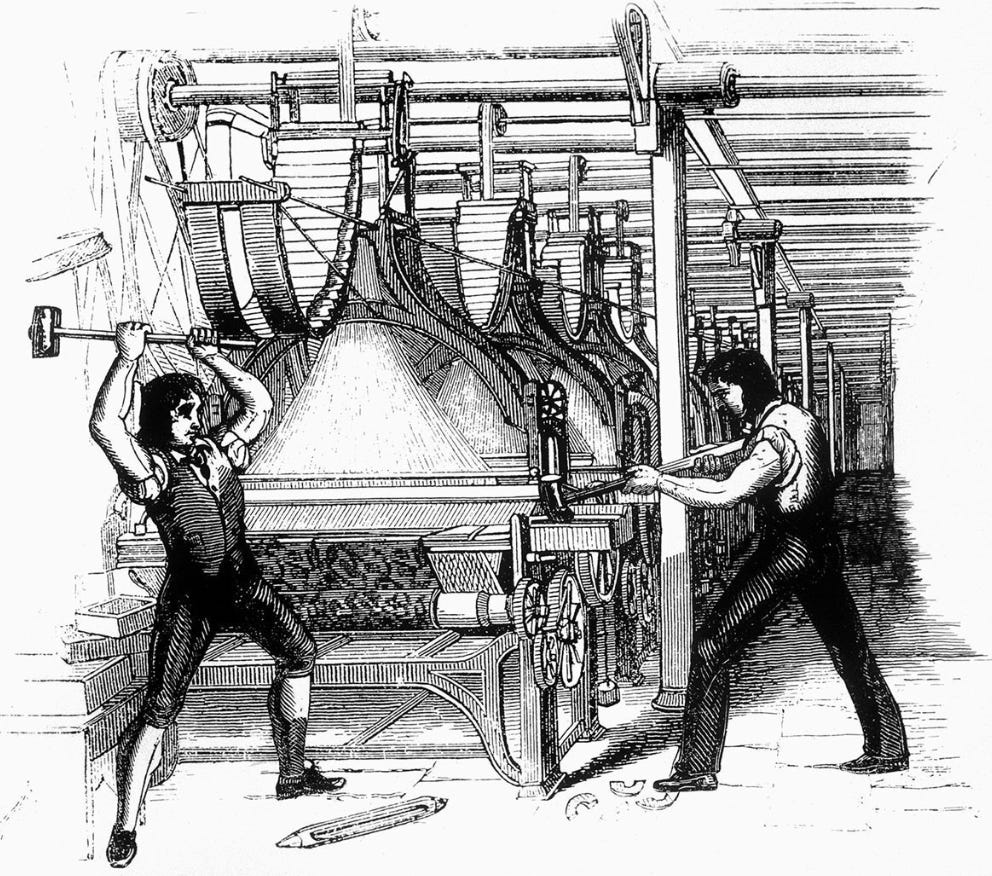
DIGITAL UTILITARIANISM IS NOT A LUDDITE MOVEMENT!*
I find it important to emphasize informed and consenting utility rather than fear and elimination. For example, AI should be used to clean our oceans instead of being used to outsource critical thinking and serve as a means of surgically precise discrimination and oppression.
Why not digital minimalism?
Minimalism is too vague, it simply says “less”. But less of what? How? What DO we use and how do we make those calls? In contrast utilitarianism asks us the question:
What do we want to accomplish? What tools do we need?
The question is future oriented which minimizes shame and does not imply sacrifice, purging, or self restraint. Utilitarianism in this context centers our humanity rather than tech because we must first imagine our ideal world and then simply select the means of arrival.
The tools that one identifies to carry out the task are simply there to further than human derived goal. There is a sentiment about it similar to the philosophy of body neutrality. I love my life when I have a dumbphone, I don’t love my dumbphone, that’s not the point!
To close out…
Our lives are short and allowing technology to dominate our time, energy, creativity, and define our relationships and views of the world seems disrespectful to ourselves. Let’s do things differently!
P.S. Thank you for reading! Please share or restack to spread the word if you found this valuable and please comment your thoughts if you disagree on parts or wholes, I would genuinely love to discuss this.
1 The claim only applies based on the perspective that the Luddites were regressive; there are other interpretations of the movement. Here is an interesting article on the topic.
“But what if I crash out because I feel chopped about not being locked in on what a rizzler is?” lol great read and love the topic.
As someone who’s gen z and doesn’t drink (anymore) I wonder also if aside from increased isolation other factors that have contributed include: easier access to cannabis/alternative substances, higher costs of going out, and a larger movement of people prioritizing their health.
Incredible piece, Sonya! I love the historical and philosophical ideas you wove into your argument. I expected to see some more generic takes -- digital minimalism, analog renaissance, etc. Yet, you planted your own flag and made a unique statement on the matter.
I dig your focus on utilitarianism. Funnily enough, I think the strength of this argument is in how it subverts expectations. It's easy to hear detractors claim that these changes and ideas are simply impractical, but even the word "utilitarian" might stop their mouth and start their brain.
Great work! I have something planned for this subject myself. I can't wait to see how the community grows. Keep it up.